What Are Succulents?
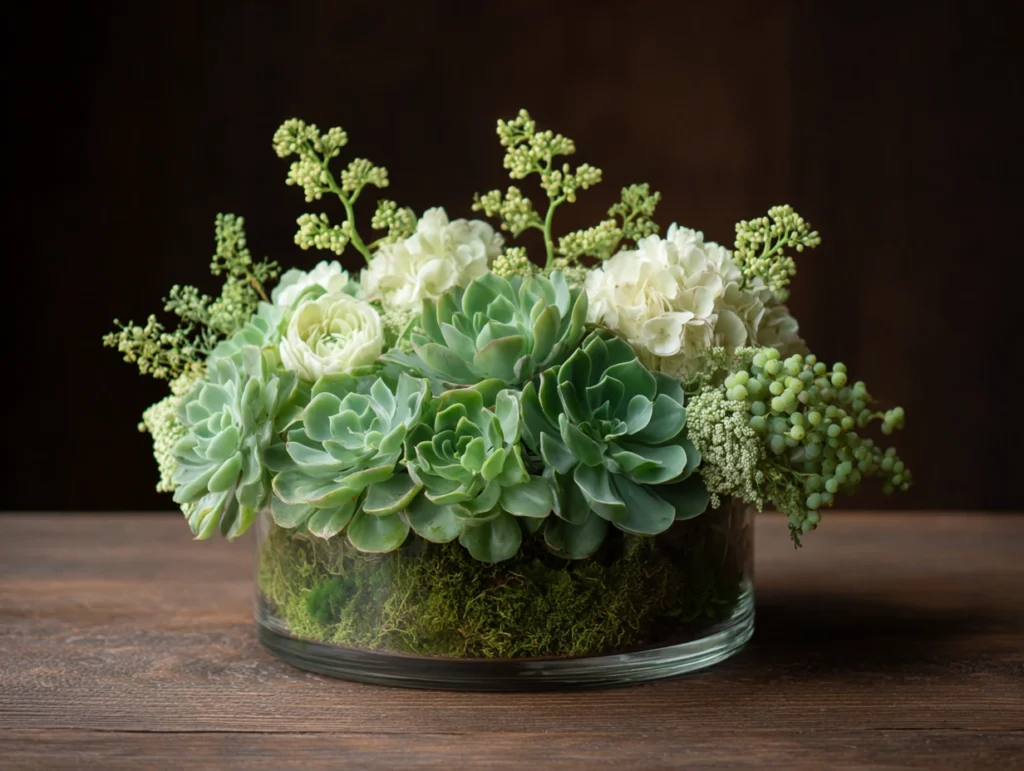
Succulents are a diverse group of plants characterized by their ability to store water in their leaves, stems, or roots. This remarkable adaptation enables them to thrive in arid environments where water is scarce. The word “succulent” derives from the Latin term succus, meaning juice or sap, which reflects the plant’s moisture-rich tissues. Their unique features, such as thick, fleshy leaves and stems, allow them not only to survive but also to flourish in conditions that would be hostile to many other plant species.
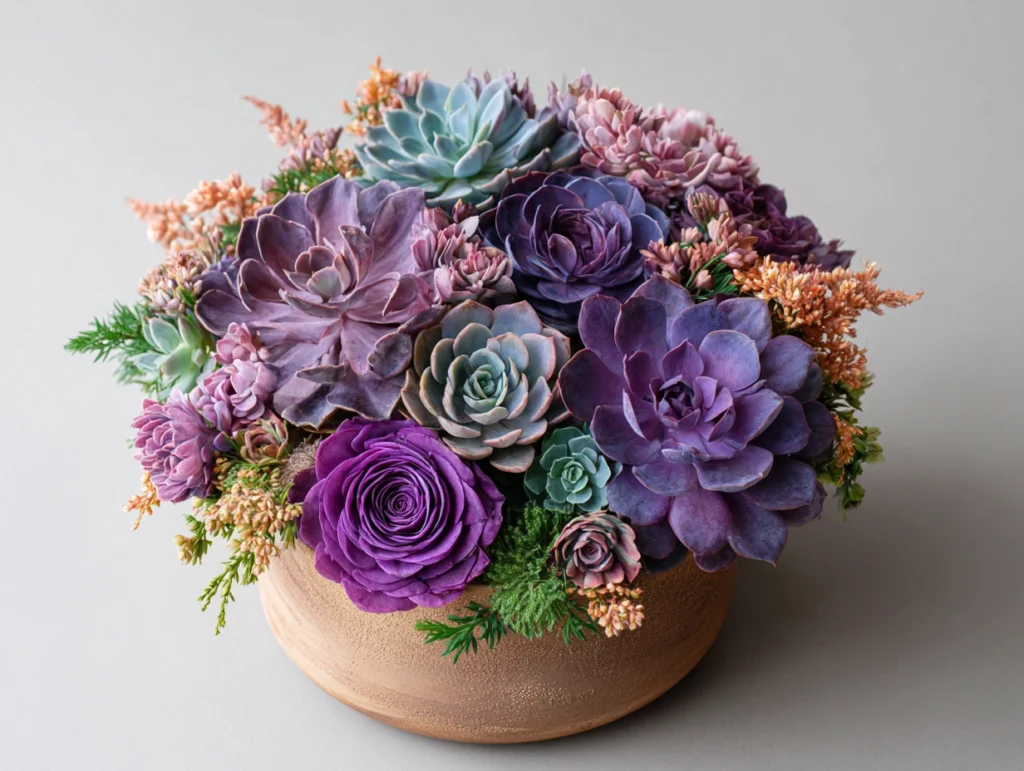
There are thousands of different species of succulents, each exhibiting distinct characteristics and growth patterns. Some of the most popular types include the Echeveria, Aloe, and Jade plant. Echeverias are known for their rosette formations, while Aloe plants, with their medicinal properties, feature serrated leaves. The Jade plant, often regarded as a symbol of good fortune, showcases a thick trunk and oval-shaped leaves. These varieties demonstrate the rich diversity within the succulent family, making them a favorite among gardeners and indoor plant enthusiasts.
The history of succulents dates back thousands of years, with evidence of their use found in various cultures. Many ancient civilizations recognized their value for both ornamental and practical purposes. For instance, succulents were utilized for their water-storing capabilities, serving as a vital resource in hospitality and survival for nomadic tribes. These resilient plants have also held cultural significance, symbolizing endurance and prosperity in different societies. Understanding the evolution of succulents provides insight into their widespread appeal and why they continue to be a beloved choice for both novice and experienced gardeners alike.
Caring for Succulents: Essential Tips and Techniques
Caring for succulents requires a keen understanding of their unique needs, which are often different from traditional houseplants. One of the primary aspects to focus on is watering. Succulents thrive in well-draining soil, and this plays a critical role in their watering schedule. It is essential to allow the soil to dry out completely between watering sessions. Generally, this could mean watering every 1-2 weeks, depending on humidity levels and the specific type of succulent. Overwatering is a common mistake that can lead to root rot, a serious condition for these hardy plants.
Soil requirements are equally important. A specialized cactus mix or a blend that contains sand and perlite can provide the appropriate drainage and aeration that succulents demand. When choosing pots, make sure to opt for ones with drainage holes to facilitate excess water escape, preventing waterlogging.
Light preferences also play a crucial role in succulent care. Most succulents prefer bright, indirect sunlight. Placing them near a south-facing window or under grow lights can help them achieve optimal growth. However, be cautious of direct sunlight for extended periods, as it can scorch the leaves. Temperature tolerances vary, but succulents generally prefer temperatures between 60°F to 80°F. They are not frost-tolerant, so considerations should be made for colder months.
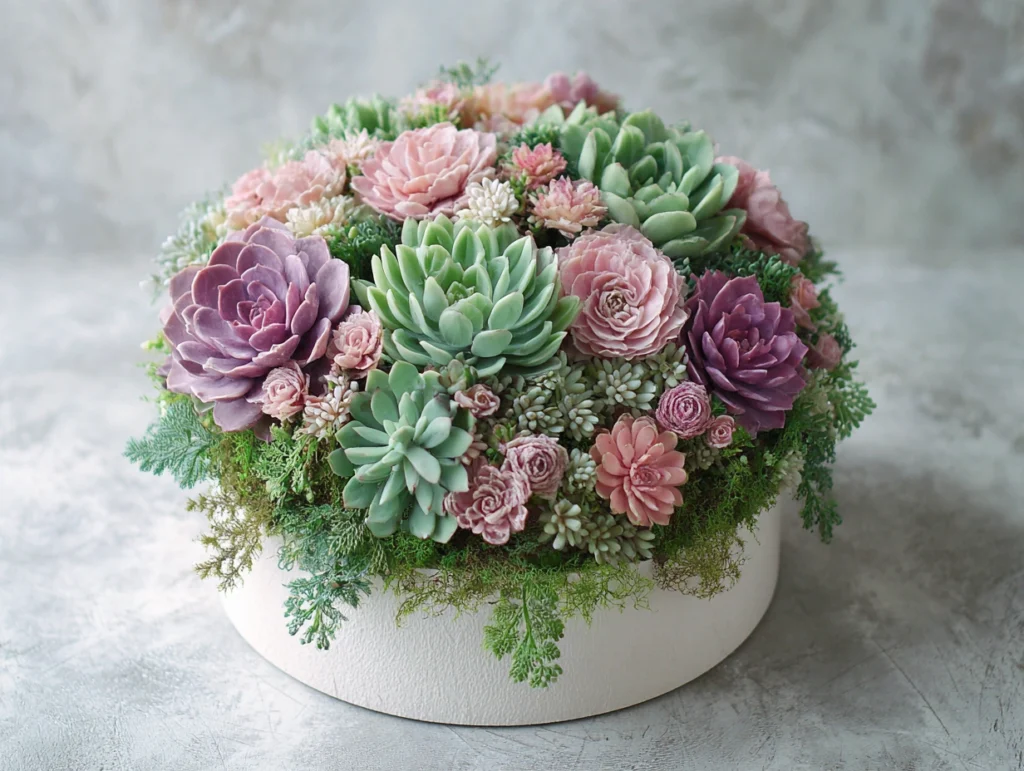
Common issues such as pests and diseases need to be monitored. Aphids and mealybugs are frequent visitors; using insecticidal soap can help mitigate infestations. Pruning may also be necessary to remove dead leaves or spent flowers to promote healthier growth. Fertilizing during the growing season with a diluted, balanced fertilizer can boost vitality, but avoid over-fertilization. Finally, repotting should be done every couple of years or when the plant outgrows its pot, ensuring that it continues to thrive.
Popular Succulent Varieties and Their Uses
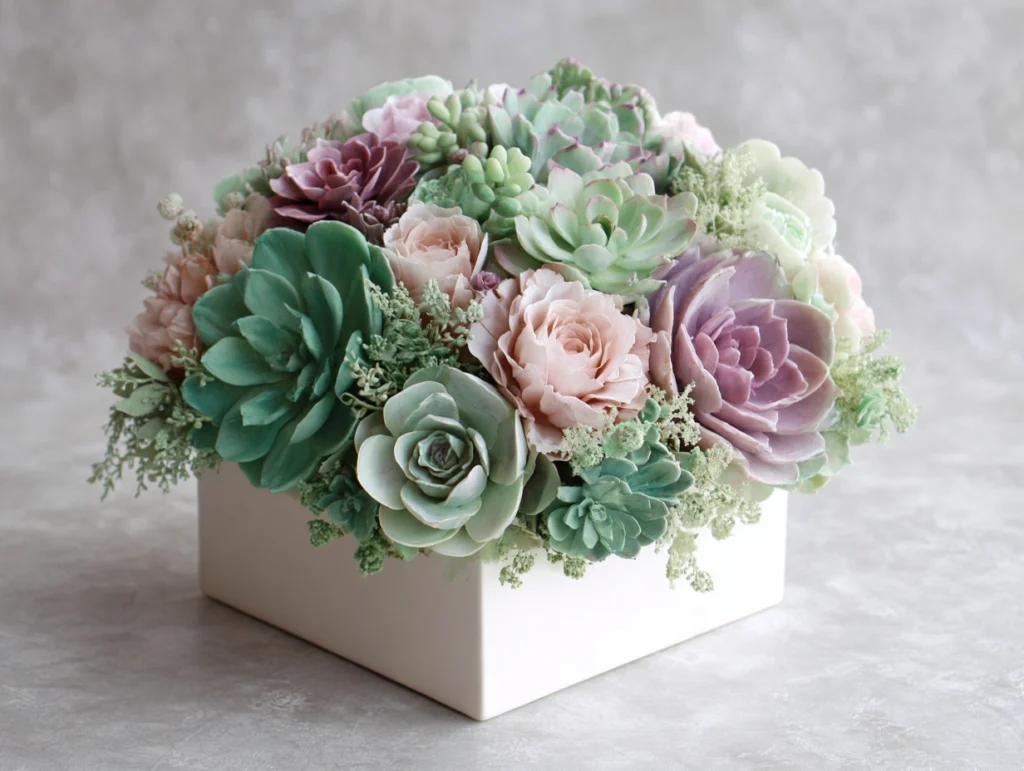
Succulents have gained widespread popularity due to their unique appearances and relatively simple care requirements. Among the myriad of succulent varieties, several stand out due to their distinctive traits and versatility in various environments. The Echeveria, recognized for its rosette shape and vibrant colors, thrives in bright, indirect sunlight and is perfect for indoor gardens. Their diverse sizes and hues make them excellent choices for home decor, adding a touch of nature to any space.
Another popular variety is the Aloe Vera, known not only for its striking looks but also for its medicinal properties. The gel found within its leaves can be used to soothe burns and skin irritations, making Aloe a functional addition to both gardens and households. Furthermore, the Aloe Vera prefers well-drained soil and moderate sunlight, aligning with the typical growing conditions of many succulent types.
The Sedum family, known for its robust nature, is a fantastic choice for outdoor landscaping. These succulents bloom beautifully in summer and can withstand drought, making them ideal for xeriscaping, where water conservation is paramount. Their vibrant flowers attract pollinators, enhancing local biodiversity.
Additionally, succulents such as the Zebra Plant (Haworthia) serve as excellent air purifiers. These compact plants can be grown indoors, contributing to improved air quality and overall wellness. They prefer indirect light and minimal watering, making them suitable for busy lifestyles.
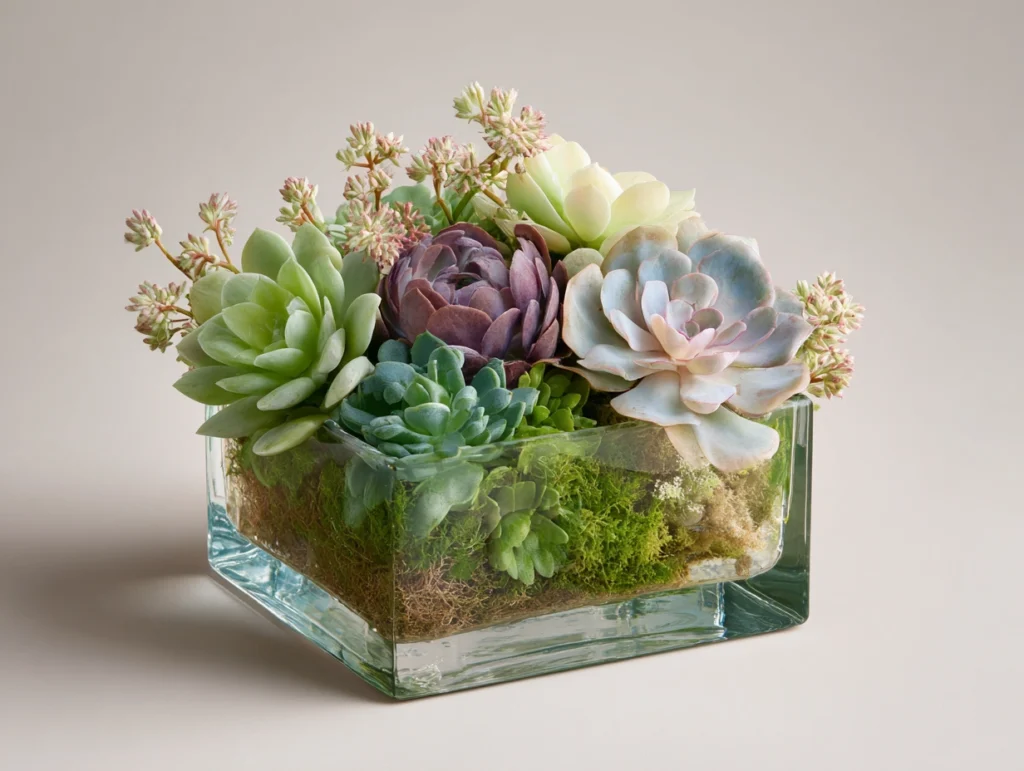
In conclusion, the aesthetic appeal of succulents, combined with their potential benefits, positions them as valuable plants for both decorative and functional purposes. From unique varieties like Echeveria and Aloe Vera to hardy Sedum, integrating these plants into your environment can elevate your living space while providing various advantages.
Creating a Succulent Garden: Ideas and Inspiration
Designing a succulent garden offers an opportunity to explore creativity while cultivating low-maintenance plants. Succulents come in a wide variety of shapes, colors, and sizes, making them perfect for unique arrangements. One of the first steps in creating a captivating succulent garden is selecting the right location. Ensure that the area receives ample sunlight, as most succulents thrive in bright light conditions.
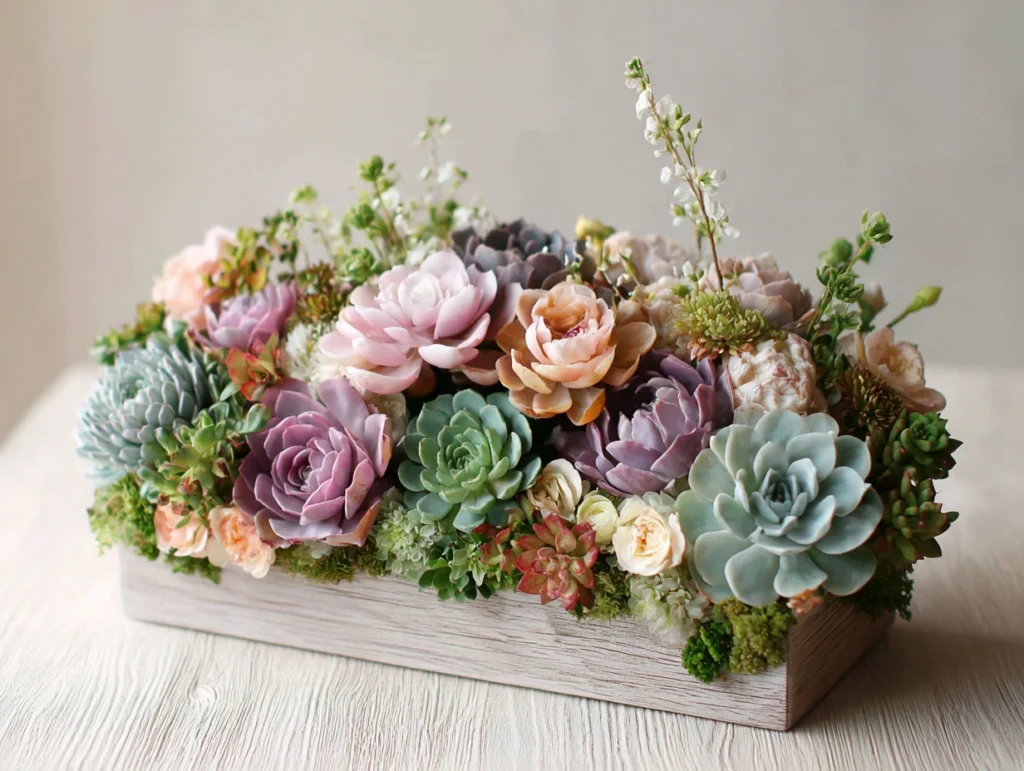
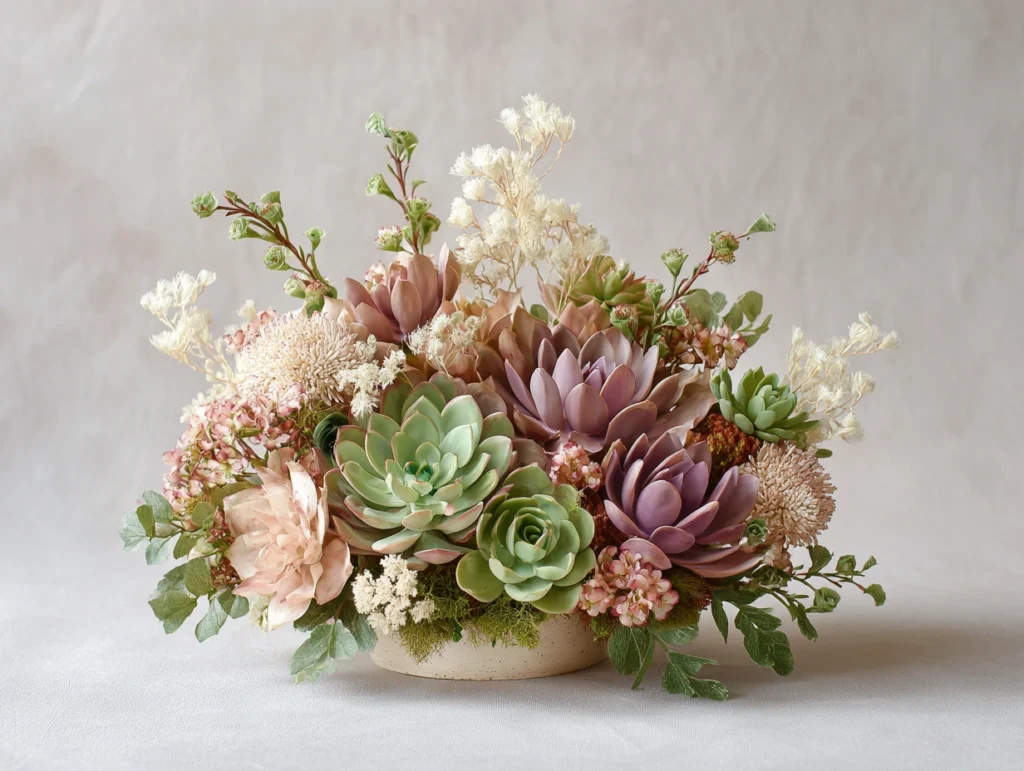
To achieve a stunning visual display, consider combining different varieties of succulents. Grouping species with contrasting textures, such as the smoothness of Echeveria with the spiky nature of Agave, can create a dynamic garden. You might also choose to play with color palettes; blending greens, purples, and pinks can result in a vibrant, eye-catching arrangement. Additionally, layering heights among the plants adds a professional touch. Taller varieties can serve as focal points, surrounded by medium and smaller ones.
Container gardening is an excellent choice for those with limited space or those wanting to create a portable garden. When selecting containers, ensure they provide good drainage, as succulents are prone to root rot. Terracotta pots are popular due to their breathability, or you might opt for decorative planters that complement your home’s aesthetic.
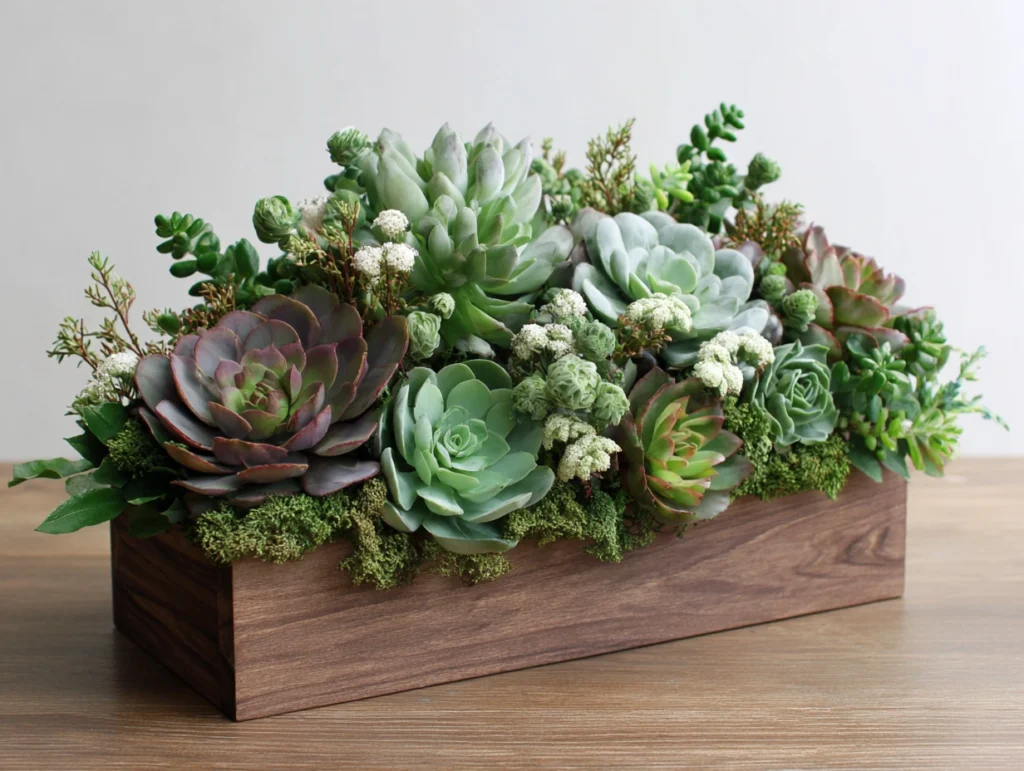
Themed gardens can offer a cohesive look, such as a desert theme with sandy soil and rock accents. Vertical gardens are another stylish option, ideal for smaller spaces or enhancing walls. Creative use of shelves, pallet wood, or wall-mounted planters can elevate your succulent garden to a whole new level.
In conclusion, whether you choose a simple arrangement or a complex vertical garden, the key is to experiment and let your creativity shine while keeping the plants’ needs in mind. With proper planning and a touch of imagination, your succulent garden will become a beautiful and stress-free addition to your home.