
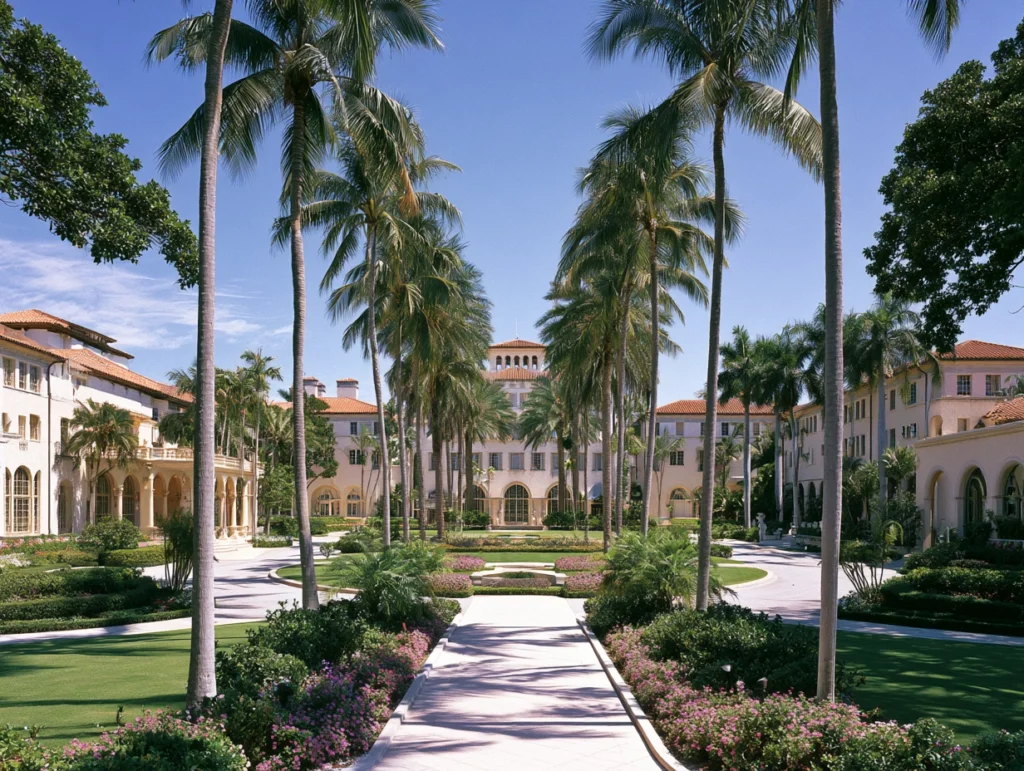
The Legacy of Mizner: A Historical Overview
Addison Mizner, an influential architect, was pivotal in establishing the Mediterranean Revival style that defines Boca Raton’s architectural landscape today. Born in 1872 in California, Mizner was greatly influenced by his travels across Europe, particularly to Spain and Italy, where he embraced the distinctive aesthetics of Mediterranean architecture. His passion for design led him to study architecture in Paris, where he refined his style and conceptual vision.
Arriving in Florida in the early 20th century, Mizner recognized the potential of Boca Raton as a haven for the affluent. His efforts began with the construction of the Boca Raton Resort and Club, completed in 1926, which showcased his interpretation of Mediterranean aesthetics featuring stucco walls, red-tiled roofs, and elaborate details. Mizner’s work did not merely focus on luxury; he aimed to create a harmonious connection between nature and architecture, effectively integrating the tropical landscape with architectural forms. This endeavor established Boca Raton as a luxurious destination and set the tone for real estate development in the area.
Throughout the 1920s, Mizner played a crucial role in the development of residential communities that exhibited his Mediterranean Revival style. His designs often included arched doorways, ornate ironwork, and colorful tile, all reflecting the culture and traditions of the Mediterranean region. Mizner’s architectural vision quickly became synonymous with the elegance and charm of Boca Raton.
While he faced financial challenges during the Great Depression, Mizner’s influence remained enduring. Today, his contributions are celebrated as foundational to the city’s identity. With countless buildings bearing his signature style, Mizner’s legacy is woven into the very fabric of Boca Raton, making it a celebrated example of Mediterranean Revival architecture in Florida.
Identifying Key Architectural Details in Mizner-Style Homes
The Mediterranean Revival style, epitomized by the works of architect Addison Mizner, showcases an array of architectural features that define its unique character. Understanding these elements can help appreciate the beauty and charm of Mizner-style homes, often found adorning the landscapes of South Florida.
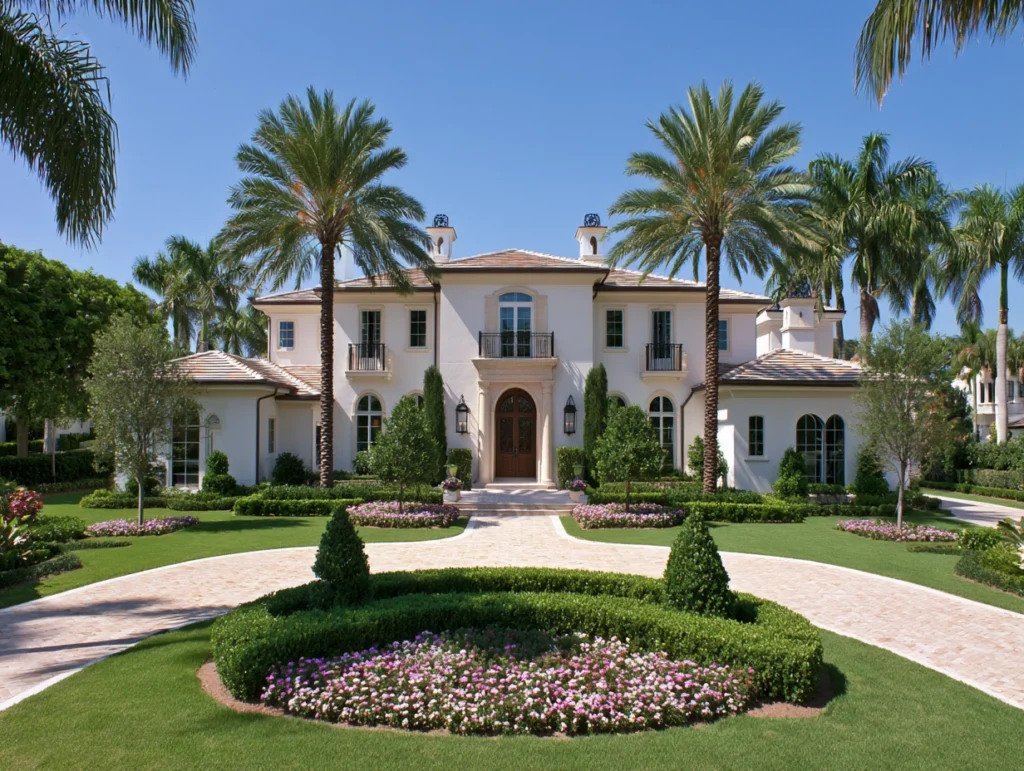
One significant aspect of Mizner-style architecture is the presence of arched doorways and windows. These rounded openings not only enhance the aesthetic appeal but also evoke the architectural styles of the Mediterranean regions that inspired them. The arches provide a soft transition between spaces, allowing natural light to flood interiors while maintaining a sense of elegance.
Another distinctive feature is the diverse rooflines found in Mizner homes. Roof designs may incorporate tile, metal, or a combination of materials to create varying heights and angles, imparting a lively silhouette against the sky. Such roofs often include gentle slopes punctuated by ornamental chimneys, further emphasizing the architectural diversity common in Mediterranean designs.
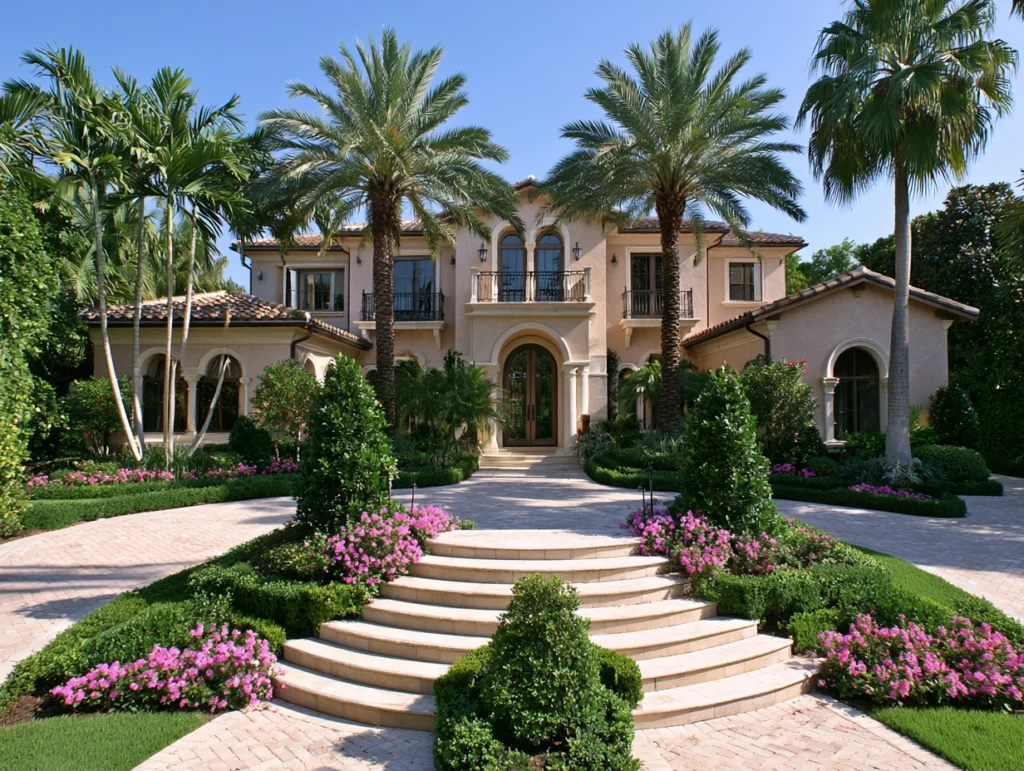
Stucco finishes are also prevalent in Mizner-style homes, providing both functional and aesthetic benefits. The textured exterior not only contributes to cooling by regulating the temperature of the home but also adds depth and visual interest to the facade. Often painted in earthy tones, these finishes can harmonize beautifully with surrounding flora and landscapes, enhancing the overall ambiance of the home.
Lastly, decorative tile work serves as a hallmark of Mizner’s design philosophy. These vibrant tiles are frequently used in courtyard fountains, exterior accents, and as interior embellishments. The intricate patterns and colors reflect the artistic traditions of the Mediterranean and serve to further enrich the cultural narrative of each home.
In conclusion, a thorough understanding of these key architectural details—arched openings, diverse rooflines, stucco finishes, and decorative tile work—illuminates the rich character of Mizner-style homes, ensuring their legacy amidst Boca’s Mediterranean Revival heritage endures.”
Integrating Terracotta and Other Materials in Modern Design
Terracotta, a quintessential element of Mediterranean architecture, plays a significant role in defining the aesthetic of Mizner-style homes. Known for its earthy tones and organic texture, terracotta adds warmth and a sense of history to contemporary interiors. When integrating this traditional material into modern décor, it is crucial to create a seamless blend that honors its heritage while embracing current design trends.
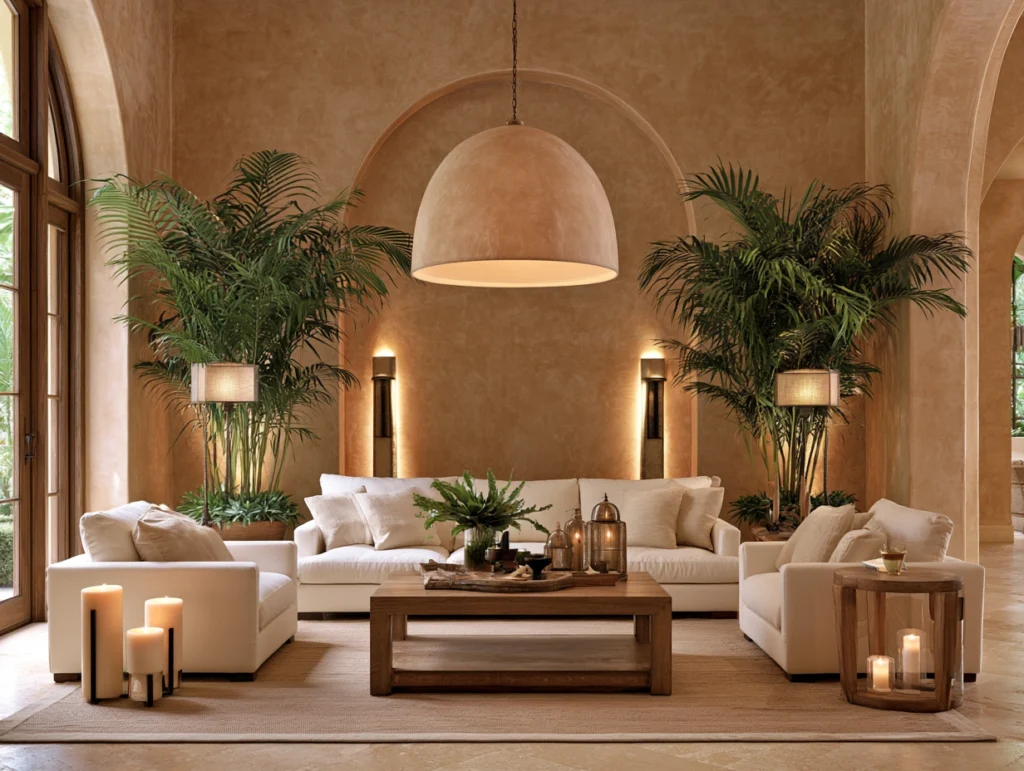
One effective approach is to utilize terracotta tiles, which can serve as flooring or accents within a space. Their rustic appeal contrasts beautifully with sleek, modern furniture, creating an inviting atmosphere that respects the past. Pairing terracotta with wood elements can further enhance this rustic charm; for instance, wooden beams or furniture pieces can be integrated to foster a cohesive look. This combination not only maintains a connection to Mediterranean styles but also emphasizes the warmth and comfort associated with home.
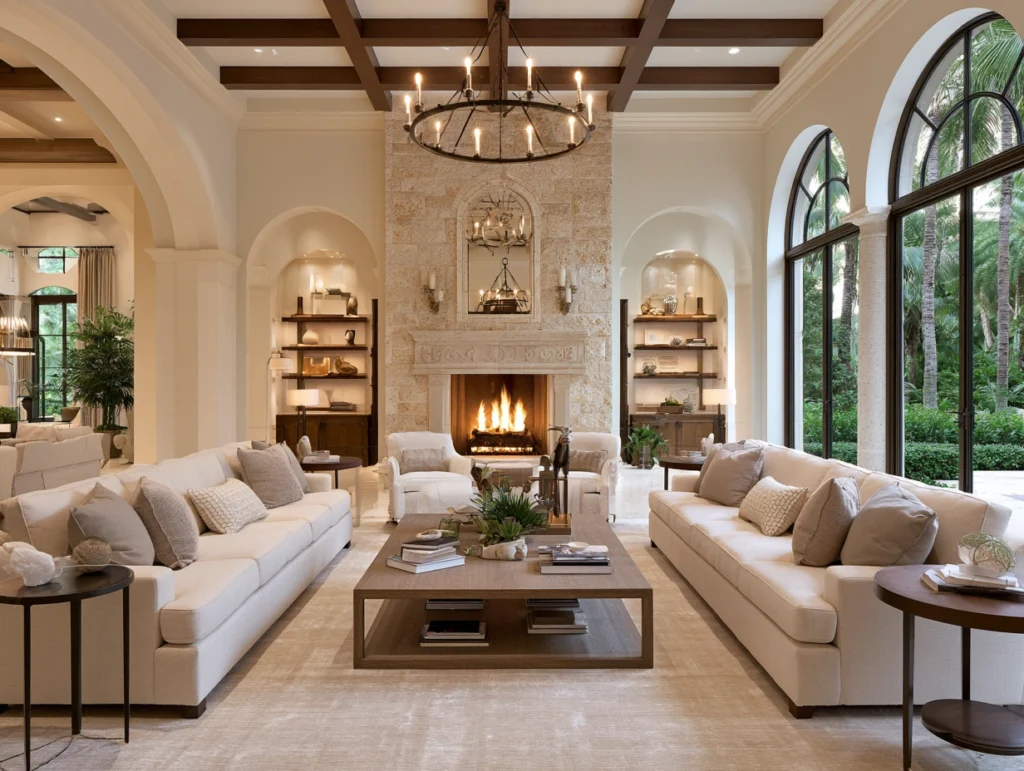
Stone, another key component of Mizner-style architecture, can also be used alongside terracotta and wood. Incorporating natural stone elements, such as a stone fireplace or textured wall, lends a durable and timeless quality to modern designs. Furthermore, mixing these materials in varied proportions allows for flexibility, enabling homeowners to tailor their spaces to reflect personal tastes while still adhering to the traditional motifs of Mediterranean aesthetics.
In contemporary settings, the inclusion of terracotta, wood, and stone can foster a serene yet sophisticated environment. Utilizing terracotta planters for indoor plants or decorative tiles can infuse spaces with color and texture, while carefully selected wood furnishings add sophistication. The key is to strike a balance that honors the historical roots of Mizner-style architecture while ensuring the design is practical and appealing for today’s lifestyle.
Pairing Contemporary Elements with Mediterranean Revival Décor
Creating a harmonious living space that blends modern design elements with the romantic allure of Mediterranean Revival décor requires a thoughtful approach. The essence of Mizner’s style, characterized by its intricate details and rich colors, can coexist beautifully with minimalistic and contemporary design. To strike a balance, careful selection of furniture, color palettes, and accessories is vital.
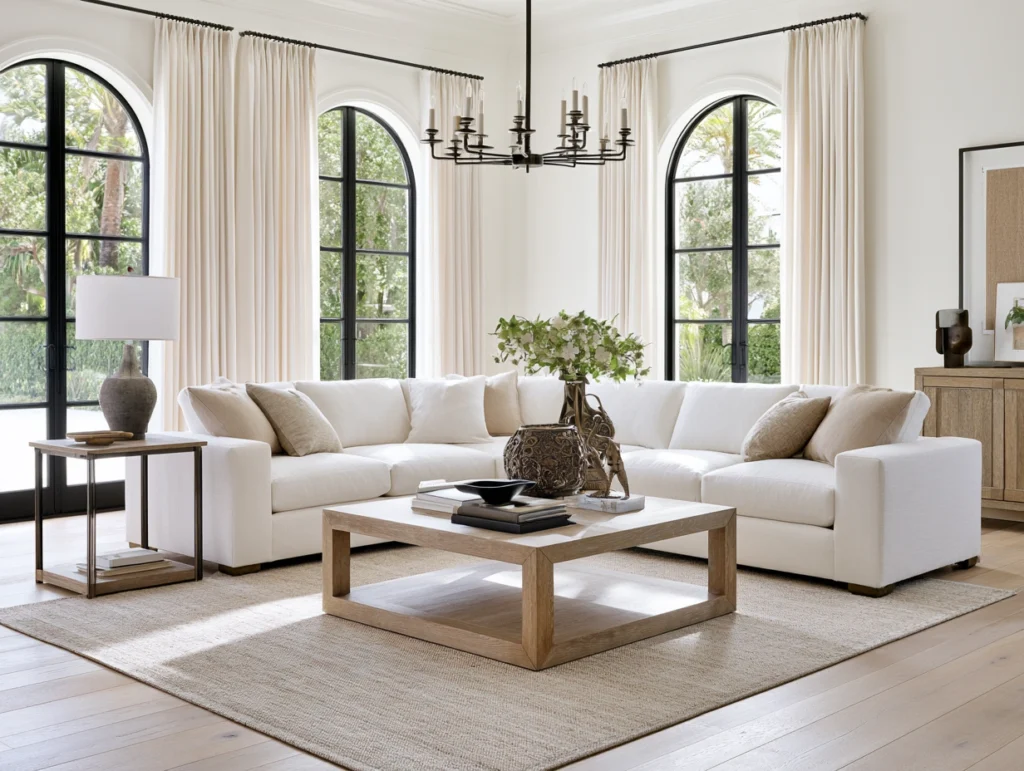
When choosing furniture, consider pieces that feature clean lines and understated elegance. Contemporary furniture with natural materials, such as wood and stone, can complement ornate Mediterranean elements. For instance, a sleek, modern coffee table in a light wood finish can be paired with intricate wrought iron or ceramic accents that reflect the Mediterranean ethos. This combination creates a visual dialogue between the old and the new, fostering a welcoming atmosphere.
Color palettes play a crucial role in achieving this blend. Opt for a base of neutral tones, like beige or soft white, which can serve as a backdrop for more vibrant Mediterranean hues such as terracotta, deep blues, or sun-drenched yellows. Incorporating these colors through modern textiles like cushions or throws can infuse warmth and richness without overwhelming the space. Adding subtle mosaic patterns on modern throw pillows or area rugs can pay homage to traditional Mediterranean artistry while maintaining a contemporary appeal.
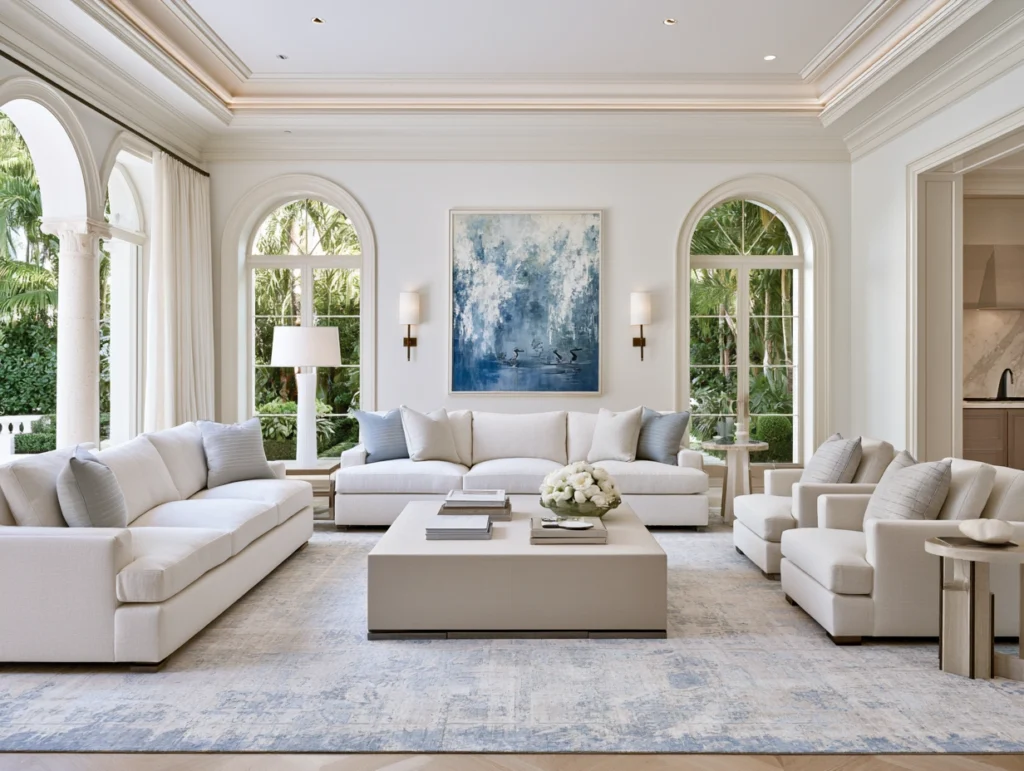
Accessories are the final touch in achieving a cohesive design. Utilize decorative elements such as contemporary art pieces that draw inspiration from Mediterranean landscapes or modern sculptures that resonate with Mizner’s architectural touches. Such selections can highlight the space’s heritage while keeping it relevant to today’s design trends.
Ultimately, by incorporating these thoughtful strategies, one can create an inviting living space that honors the legacy of Boca’s Mediterranean Revival heritage through Mizner-style décor, while embracing contemporary sensibilities.